Best Books for Teenagers for Success: 5 Compared
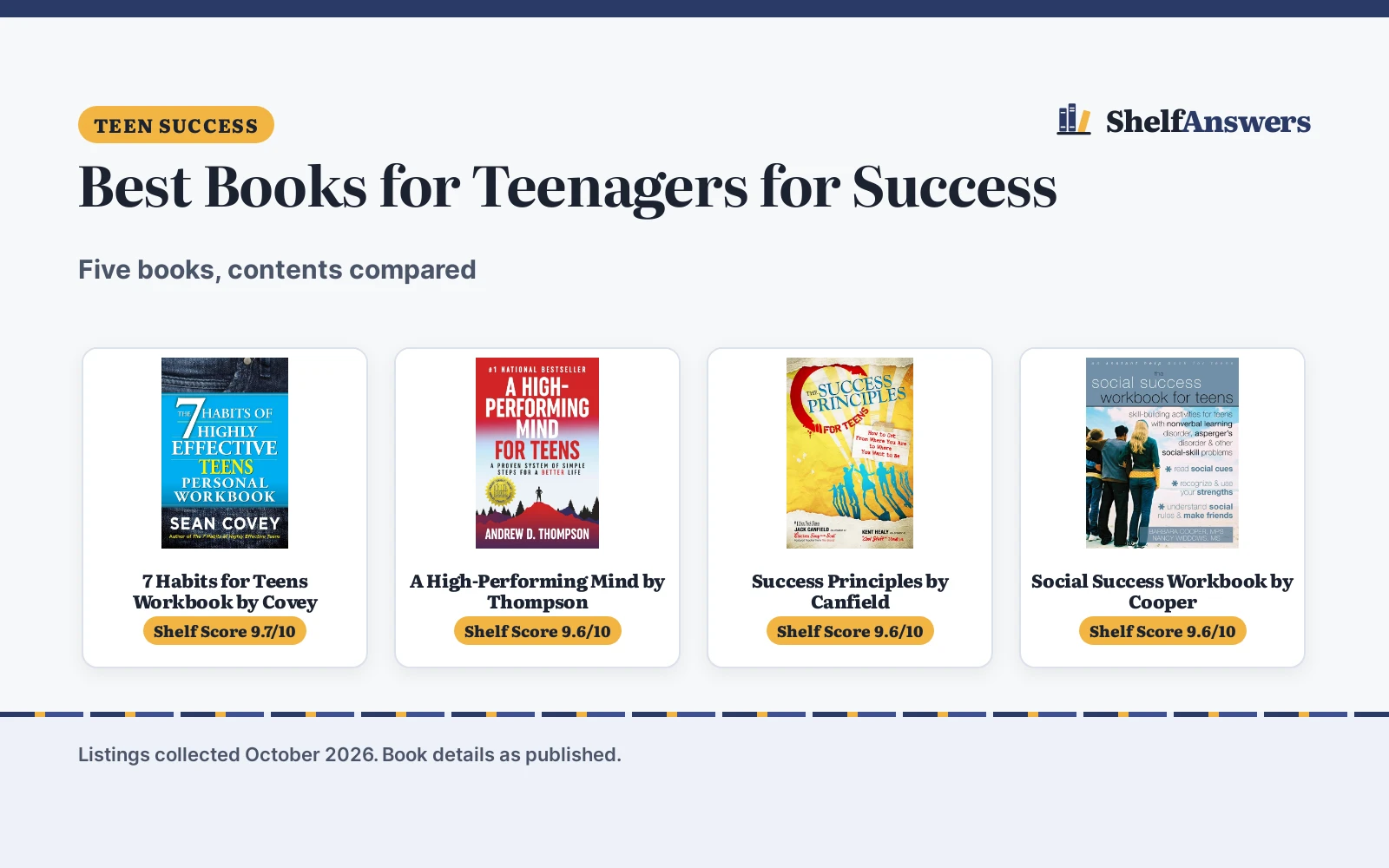
Five books for teen success compared by reader fit, stated contents, edition date and value, from workbooks with activities to a book written for parents.
At a glance
Top picks
As an Amazon Associate I earn from qualifying purchases. How we score
Finding the best books for teenagers for success means matching the book to the reader: a workbook for the doer, a strategy book for the planner, and one honest pick for the parents. We compared five books by fit for teen readers, stated contents and edition, and value, using only what each listing publishes.
ShelfAnswers earns a commission when you buy through links on this page, at no extra cost to you. As an Amazon Associate I earn from qualifying purchases. Affiliate disclosure.
Quick picks
 Best Overall 7 Habits for Teens Workbook by Covey: 240 pages, workbook activities, reading age 13 to 17 Check price on Amazon
 Best New Release A High-Performing Mind by Thompson: 2025 book, 32 mental tools, reading age 14 to 17 Check price on Amazon
 Best Goal Setting Success Principles by Canfield: 272 pages, 23 success strategies for teens Check price on Amazon
 Best Social Skills Social Success Workbook by Cooper: 144 pages, 40 activities, reading age 13 and up Check price on Amazon
 Best for Parents How to Raise an Adult by Lythcott-Haims: 368 pages on raising self-sufficient teens Check price on Amazon
The picks
| # | Product | Shelf Score | Buy |
|---|---|---|---|
| 1 | 7 Habits for Teens Workbook by Covey | 9.7/10 | Buy |
| 2 | A High-Performing Mind by Thompson | 9.6/10 | Buy |
| 3 | Success Principles by Canfield | 9.6/10 | Buy |
| 4 | Social Success Workbook by Cooper | 9.6/10 | Buy |
| 5 | How to Raise an Adult by Lythcott-Haims | 9.4/10 | Buy |

7 Habits for Teens Workbook by Covey
A 240-page workbook of activities for the 7 Habits, suited to teens ages 13 to 17 who learn by doing.
Pros
- 240 pages of activities tied to the 7 Habits
- Reading age 13 to 17 and grade level 8 to 12 stated
- Covers goals, friendships, peer pressure and family, per the description
Cons
- A companion workbook; the main 7 Habits book is not included
- 2014 edition; no newer-edition claim is stated
- 240 pages, shorter than the 272-page Canfield and 368-page Lythcott-Haims

A High-Performing Mind by Thompson
A 258-page guide to focus, motivation and confidence, suited to teens ages 14 to 17 who want mental tools for goals.
Pros
- 258 pages, 2025 publication, the newest here
- 32 mental tools and 12 attributes stated
- Reading age 14 to 17 stated
Cons
- Reading age marked as from customers only
- No grade level is stated
- Long marketing description; contents detail is thinner than the page count suggests
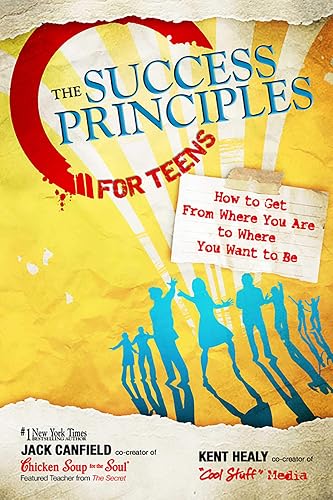
Success Principles by Canfield
A 272-page book of 23 success strategies, suited to teens who want goal-setting and direction.
Pros
- 272 pages with 23 success strategies stated
- Co-written with a young entrepreneur, per the listing
- Grade level 7 to 9 stated
Cons
- Reading age 9 to 13 is marked as from customers and skews younger than teens
- 2008 edition; no newer-edition claim is stated
- No activity count is stated, unlike the workbooks here

Social Success Workbook by Cooper
A 144-page workbook of 40 social-skill activities, suited to teens who want to build friendships and confidence.
Pros
- 144 pages with 40 activities stated
- Reading age 13 and up and grade level 7 to 12 stated
- Targets social skills and friendships directly
Cons
- 2008 edition, the oldest here; no newer-edition claim is stated
- Aimed at teens with social-skill problems, so a narrower fit for general readers
- 144 pages, the shortest main pick here

How to Raise an Adult by Lythcott-Haims
A 368-page book for parents on raising self-sufficient teens, suited to parents rather than teen readers themselves.
Pros
- 368 pages, the longest here
- Draws on research and educator conversations, per the description
- 2016 reprint edition stated
Cons
- Written for parents, not for teen readers
- No reading age or grade level is stated
- Focuses on parenting philosophy rather than teen action steps
As an Amazon Associate I earn from qualifying purchases.
More picks to compare
 Success for Teens by FlemingFor teens who want real-teen stories about the Slight Edge approach.Check on Amazon
 Study Strategies for Teens by HavenFor teens who want study strategies matched to how they learn.Check on Amazon
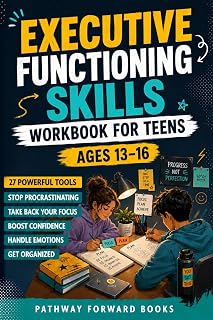 Executive Function Workbook by PathwayFor teens ages 13 to 16 who want tools for focus and organization.Check on Amazon
 The Organized Teen by HavenFor teens who want executive-functioning tools for focus and goals.Check on Amazon
Compare the picks
| Book | Shelf Score | Author | Pages | Reading age or grade | Published | Amazon |
|---|---|---|---|---|---|---|
| 7 Habits for Teens Workbook by Covey | 9.7/10 | Sean Covey | 240 pages | 13-17, grades 8-12 | May 27, 2014 | Check price |
| A High-Performing Mind by Thompson | 9.6/10 | Andrew D. Thompson | 258 pages | 14-17, from customers | November 2, 2025 | Check price |
| Success Principles by Canfield | 9.6/10 | Jack Canfield, Kent Healy | 272 pages | 9-13, from customers; grades 7-9 | April 15, 2008 | Check price |
| Social Success Workbook by Cooper | 9.6/10 | Barbara Cooper | 144 pages | 13+, grades 7-12 | May 1, 2008 | Check price |
| How to Raise an Adult by Lythcott-Haims | 9.4/10 | Julie Lythcott-Haims | 368 pages | Not stated | August 2, 2016 | Check price |
Book details as published on each listing, collected 19 October 2026.
How we scored them
The Shelf Score weighs fit for the reader, contents and edition, value, and the listed reading age or level where one is given. Four of the five picks list a reading age or grade level. How we pick explains the weights.
| Book | Shelf Score | Fit /35 | Contents /25 | Value /25 | Age/level /10 |
|---|---|---|---|---|---|
| 7 Habits for Teens Workbook by Covey | 9.7 | 30 | 20 | 20 | 9 |
| A High-Performing Mind by Thompson | 9.6 | 30 | 20 | 19 | 7 |
| Success Principles by Canfield | 9.6 | 32 | 20 | 20 | 5 |
| Social Success Workbook by Cooper | 9.6 | 27 | 19 | 19 | 9 |
| How to Raise an Adult by Lythcott-Haims | 9.4 | 23 | 20 | 19 | 0 |
Scores run from 9.2 to 9.8: each book’s point total is placed on that range, so more points always means a higher score. Reading age or level counts on a list where at least one listing gives one, and a book whose listing gives none then scores zero on it. Where no listing gives one, the score is taken over the other 85 points. Books carry no warranty, so warranty is not scored.
How to choose the best books for teenagers for success
Workbook or straight reading
The Covey and Cooper picks are workbooks with activities stated, and the Cooper lists 40 of them. The Canfield, Thompson and Lythcott-Haims are reading books. A teen who learns by doing may stick with a workbook longer. See every young adult list before you decide.
Check the reading age, and who stated it
The Covey lists 13 to 17 and grades 8 to 12; the Cooper lists 13 and up and grades 7 to 12; the Thompson lists 14 to 17 marked as from customers; the Canfield lists 9 to 13 marked as from customers, which skews young for teens. The Lythcott-Haims lists no age because it is written for parents.
Match the goal to the book
Goals and habits: the Covey and Canfield. Focus and confidence: the Thompson. Friendships: the Cooper. Parenting: the Lythcott-Haims. For more goal-oriented reading, see our best non fiction books for success list.
Before you buy
- Check the edition date: the Cooper and Canfield are 2008, the Covey 2014, the Lythcott-Haims 2016, the Thompson 2025.
- Confirm the reading age on the listing, and note when it is marked as from customers.
- The Lythcott-Haims is written for parents; the other four are written for teens.
Frequently Asked Questions
Which book suits a teen who learns by doing?
The Covey workbook, with activities tied to the 7 Habits, or the Cooper workbook with 40 social-skill activities; both list reading ages starting at 13.
Is there a book here for parents?
Yes: How to Raise an Adult is written for parents of teens, at 368 pages; the other four are written for teens.
Which is the newest?
A High-Performing Mind for Teens, published November 2, 2025; the next newest is How to Raise an Adult from 2016.
Related lists
See every young adult list and all kids and teens lists.
More lists: non fiction books for success, vampire books for teens.